International Conference · 21–28 February 2027 · KAIPTC, Accra, Ghana — Registration & Call for Papers Now Open
JourneyAboutProgrammeCall for Papers SpeakersConference TeamBursary PartnersVenueRegisterBrochure
Accra · February 2027
21–28 February 2027 International Group Relations Conference · Kofi Annan International Peacekeeping Training Centre (KAIPTC), Accra, Ghana

The Past Alive in the Present Authority, Leadership and the Future We Create

This in-person conference will explore reparations, historical memory, truth, institutional repair, and justice. The conference will examine how unconscious systems psychodynamics and power relations echo the past and affect current authority and leadership in modern organizations and governments. The conference will study global interconnections in actively bridging Africa, the African diaspora, the Caribbean, the Americas, Europe, and Asia to understand our shared institutional landscapes.
21–28
FEB 2027
Historic coastal castle at sunset on the Ghanaian coast — Cape Coast / Elmina
The Past Alive in the PresentAuthority, Leadership, Reparations & the Future We Create
Conference Brochure

Everything in one place.

Programme, academic streams, keynotes, fees and practical information — download the full brochure to share.

Download Brochure (PDF)
A Three-Year Journey

The Journey to Accra, Ghana 2027

The conference did not emerge in isolation. It is the culmination of an international journey of inquiry, reflection and dialogue into the continuing impact of slavery, exploitation, migration and collective responsibility.

Over the past three years, a collaboration between Organization for Promoting Understanding of Society OPUS and the A.K. Rice Institute (AKRI) has brought together people from different countries, professions and traditions to explore the relationship between authority, power, leadership, human freedom and systemic inequality — examining how systems of exploitation are sustained not only by economic and political structures, but by unconscious social processes that shape organisations, communities and nations.

As the inquiry deepened, a further question came into view: how do societies engage with the legacies of historical harm, and what might reparative justice look like in practice? That question brings us to Ghana — home to some of the most significant sites of the transatlantic slave trade, where the past is not only remembered but continues to resonate within contemporary social, cultural and institutional life.

  • 1
    Modern Slavery & Collective ResponsibilityHow denial, helplessness, bystander behaviour and institutional silence sustain exploitation.
  • 2
    Survivor TestimonyThe human realities of trafficking, trauma, recovery and resilience — moving from observation toward responsibility.
  • 3
    Migration, Survival & FreedomPoverty, opportunity, agency and the systemic conditions that shape human choices and social outcomes.

The journey to Accra is more than a geographical journey. It is a journey from awareness to responsibility — from memory to meaning — from acknowledgement to reparation — from inherited histories to the future we create together.

A Welcome from the Conference Director

You are warmly invited to Ghana.

Dear Colleagues,

It is my pleasure to invite you to join us in Ghana for the International Group Relations Conference 2027 — The Past Alive in the Present: Authority, Leadership, and the Future We Create.

We are living through a period of profound uncertainty and transformation. Across the world, institutions are facing unprecedented challenges. Communities are grappling with questions of identity and belonging. Organisations are struggling to respond to increasing complexity, social division and rapid change. At the same time, long‑suppressed conversations about history, injustice, memory, reparations and collective responsibility are demanding our attention.

In many ways, the past is no longer content to remain in the past.

Historical experiences continue to shape how individuals, groups, organisations and societies understand authority, exercise leadership and imagine their futures. The legacies of colonialism, enslavement, displacement, conflict, inequality and collective trauma continue to live within our institutions and relationships — often in ways that are not immediately visible.

As leaders, consultants, scholars, practitioners, policymakers and citizens, we are increasingly confronted with a difficult question:

How do we create a different future if we do not understand the forces from the past that continue to shape the present?

This conference has been designed as a space for exploration, learning, reflection and dialogue around that question. Bringing together participants from diverse professions, disciplines, cultures and countries, we will examine the relationship between history, authority, leadership and systemic transformation. Through academic presentations, experiential learning, professional exchange and a facilitated journey to sites of profound historical significance in Cape Coast and Elmina, we will explore how the past continues to influence contemporary organisational and societal life.

Ghana offers a particularly meaningful setting for this work. Its history connects local and global narratives of leadership, resistance, independence, memory and renewal. It provides an opportunity to engage not only intellectually but also emotionally and experientially with questions that affect organisations and societies across the world.

This conference is not simply about understanding history. It is about understanding ourselves, our organisations and the systems we inhabit. It is about strengthening our capacity to lead thoughtfully in complex environments, to recognise hidden dynamics that shape behaviour and decision‑making, and to engage more effectively with the challenges facing our institutions and communities.

Whether you are an executive, consultant, academic, policymaker, community leader, practitioner or student of organisational life, I believe this conference offers a unique opportunity for learning and growth.

I warmly invite you to join us in Ghana as we explore together the enduring relationship between the past, the present and the future we seek to create. I look forward to welcoming you.

Augustine SagoeConference Director · International Group Relations Conference, Ghana 2027
About the Conference

An international gathering where memory meets responsibility.

The Accra Group Relations Conference 2027 brings together scholars, practitioners, consultants, organisational leaders, activists and citizens to explore the relationship between historical trauma, reparative justice, authority, leadership and collective responsibility.

Emerging from an international collaboration between Organization for Promoting Understanding of Society OPUS and the A.K. Rice Institute (AKRI), and informed by the Tavistock tradition of Group Relations, the conference places reparations at the centre of inquiry — not only as policy or finance, but as psychological, social, cultural and institutional processes of repair. At its heart: how does the past continue to shape the authority we take up in the present, and the future we create together?

ScholarsPractitionersConsultantsLeadersActivistsDiaspora / Global Communities

Augustine Sagoe — Conference Director  · 

Sepia riverside village with an Adinkra symbol — memory across Africa and the diaspora Dialogue across the Globe & the diaspora
Three Conference Components

One week, three modes of inquiry.

The programme moves from rigorous academic exchange, through embodied historical reflection at the coast, into experiential study of authority and leadership.

Ghanaian lecturer addressing a symposiumA Ghanaian lecturer · Academic Symposium
01
Phase I · 22–23 February

Academic Symposium

  • Opening plenary & keynotes
  • Parallel paper presentations
  • Panel discussions
  • Reparations frameworks — legal, historical, psychological
  • Africa Diaspora- Global dialogue
Cape Coast / Elmina CastleCape Coast & Elmina · Site visits
02
Phase II · 24 February

Historical Engagement

  • Authority & Leadership: Examining how unconscious systemic dynamics and power echo from the past into modern organizations.
  • Guided visit: Cape Coast Castle
  • Facilitated reflective & Healing processing
  • Memory, silence & return
  • Embodied historical encounter
An empty study-group room awaiting participantsGroup Relations · Experiential
03
Phase III · 25–27 February

Group Relations Event

  • Small & Large Study Groups
  • Review & Application Groups
  • The Sankofa Event
  • Community Dialogue Circle
  • Closing Plenary
“Se wo were fi na wosankofa a yenkyi.” — It is not wrong to return for what you have forgotten.
The Past Alive in the Present
Why This Matters

Strategic significance.

Why this gathering, in this place, at this moment — and what it sets out to shift.

Ghana as Global Hub

Centring African geography in the global reckoning — a serious international site for Group Relations and reparative leadership.

African Philosophy at the Centre

Sankofa and Akan wisdom integrated as organising framework, not periphery — African thought as the principle for systems inquiry.

Reparations Reframed

Advancing reparations beyond rhetoric — a leadership, institutional and psychodynamic question with practical implications for organisations.

International Convergence

Scholars, consultants, policymakers and diaspora from Africa, the Caribbean, the Americas and Europe — 40–50 participants in one container.

Keynote Speakers

Distinguished leaders and scholars anchoring the conversation. Full speaker profiles and presentations announced on a rolling basis.

NKOfficial portrait to be added
Guest of Honour

Nana Kobina Nketsiah V

Traditional Chief of Essikado · Ghana

Custodian of historical memory and traditional leadership, opening the conference with a reflection on authority, lineage and the living past.

AQOfficial portrait to be added
Keynote

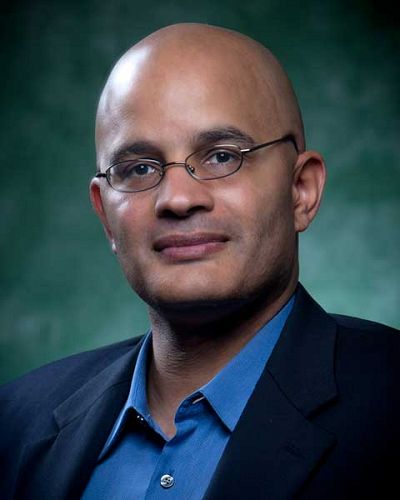
Prof. Ato Quayson

Stanford University

On the question of reparations; Pain points,Principles ,and Pitfalls..

CGOfficial portrait to be added
Keynote

Dr. Cheryl Grills

California Reparations Task Force · National African American Reparation Commission

On trauma, healing and institutional responsibility in the work of reparations and community repair.

SNOfficial portrait to be added
Keynote

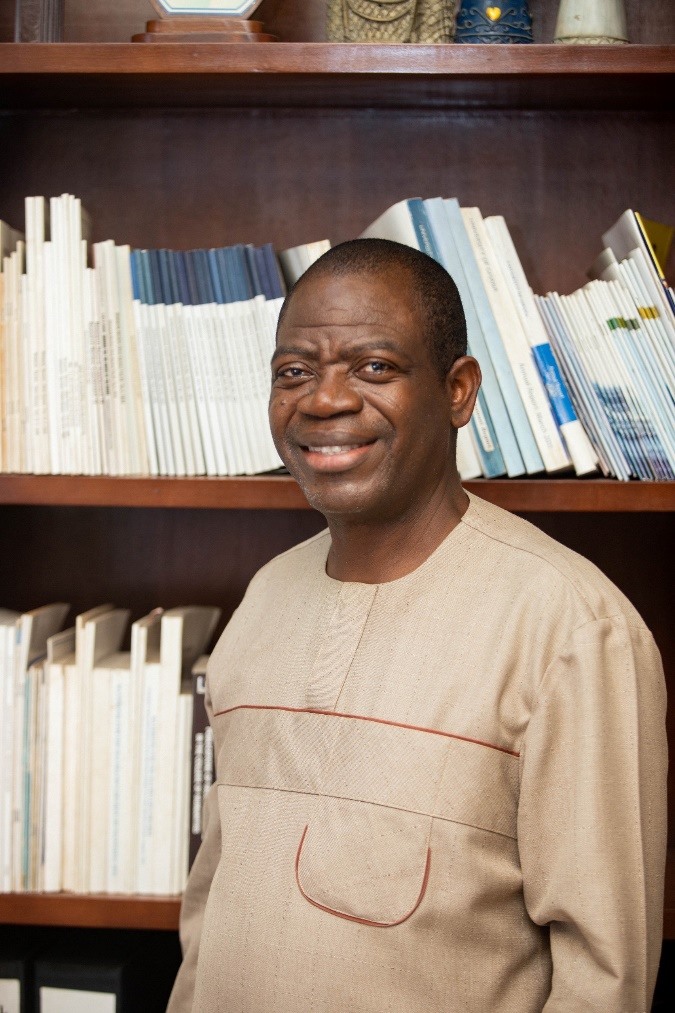
Professor Samuel Ntewusu

Ghana

MVOfficial portrait to be added
Keynote

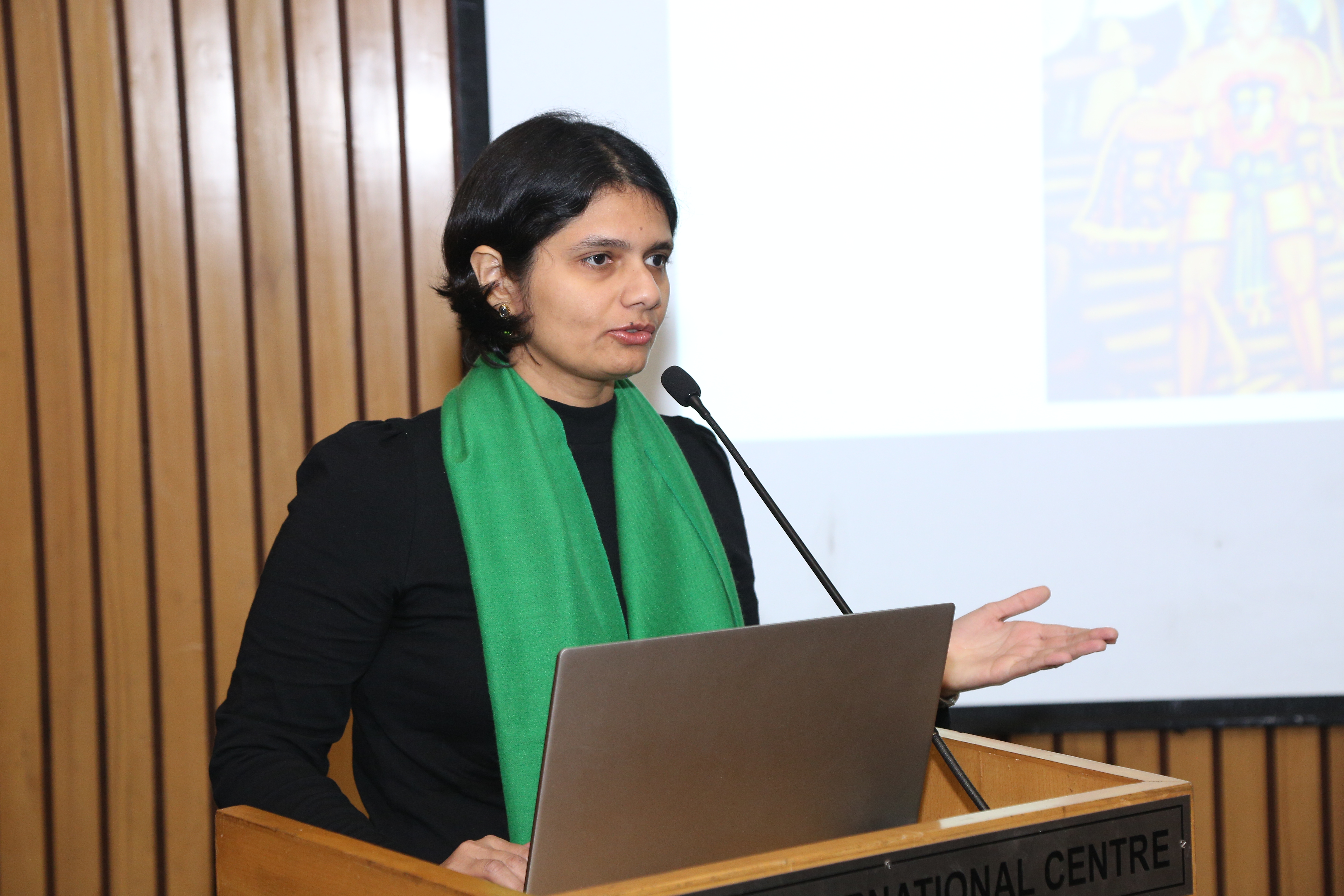
Professor Meera Venkatachalam

Ghana

Conference Team

The conference is directed and staffed by an international team of consultants drawn primarily from OPUS and AKRI, alongside senior practitioners from partner organizations rooted in the Tavistock tradition of Group Relations.

ASPortrait to be added
Conference Director

Augustine Paapa Sagoe

Ghana / UK

MDPortrait to be added
Associate Director

Maxine Dennis

GSPortrait to be added
GRC Conference Administrator

Dr Gladys Setordzie

Ghana

Consultants
Raymond Bakaitis
Photo & bio to be added
Leslie Brissett
Photo & bio to be added
Rebecca Ellison
Photo & bio to be added
Ewuadua Ewusie
Photo & bio to be added
Mary Fullerton
Photo & bio to be added
Olya Khaleelee
Photo & bio to be added
Michelle May
Photo & bio to be added
Veena Pinto
Photo & bio to be added
Carlos Remotti-Breton
Photo & bio to be added
Leo Wilton
Photo & bio to be added
Emerging West African leaders Sankofa Emerging Leaders
Sankofa Emerging Leaders Bursary

Meaningful West African participation, by design.

We are committed to the full participation of emerging West African scholars, practitioners and leaders in the conversation on reparations, leadership and historical memory.

  • EligibilityEmerging West African scholars, practitioners and leaders.
  • Support ProvidedRegistration, accommodation and participation sponsorship.
  • Student OpportunityThe first six outstanding West African student submissions receive full support.
Apply for the Bursary
Programme Highlights

The week at a glance.

21 FebSunday

Arrival

Members arrive in Accra and settle at the Kofi Annan International Peacekeeping Training Centre (KAIPTC) Gaberial King Akpalu - Conference Administrator.

22 FebMonday

Registration & Opening · Academic (Day 1)

Opening plenary on history, authority and reparations, followed by the Academic Symposium and plenary discussion groups. Presenting: Prof. Samuel Ntewusu · Prof. Meera Venkatachalam.

23 FebTuesday

Academic Symposium (Day 2)

Paper presentations, panels and plenary discussion groups. Presenting: Raymond Bakaitis · Olya Khaleelee.

24 FebWednesday

Historical Engagement

Guided visits to Elmina and Cape Coast Castles with a facilitated reflective processing group — academic knowing meets embodied encounter.Presenting:

25–27 FebThu–Sat

Group Relations Conference

Small & Large Study Groups, Review & Application sessions, Institutional / Sankofa Event, the Community Dialogue Circle and Closing Plenary.

28 FebSunday

Departures

Participant departures. Optional consultant networking in Takoradi (Palena Gardens).

Call for Papers

Acadamic Presentation streams.

We invite scholars, practitioners, traditional leaders and organisational consultants to submit abstracts for the opening academic streams of the conference.

Day One · 22 February

Historical & Psychological Dimensions

Unearthing how historical trauma, collective memory and colonial legacies actively live within our current structures and psyches.

The Lived Psychology of HistoryHow historical wounds and displacement manifest in the everyday psychological experiences of individuals, groups and institutions today.
The "Pain Points" of ReparationsThe emotional, moral, political and psychological barriers to acknowledgement, apology and material restitution.
Tensions in AuthorityIntersections, alignments and psychological dynamics between traditional African leadership structures and modern Westernised institutional authority.
Day One Keynote AnchorsProfessor Ato Quayson (Stanford University).
Traditional Chief Nana Kobina Nketsiah V .
Day Two · 23 February

Systems-Psychodynamic Dimensions

Applying a systems-psychodynamic lens to understand the unconscious dynamics, systemic defences and institutional roles that surface during restorative work.

Unconscious Dynamics in Healing WorkHidden anxieties, resistance and systemic defences — splitting, projection, denial — that emerge when institutions attempt restorative justice.
Authority and Readership / LeadershipHow authority is authorised, taken up or sabotaged when confronting historical injustices, and the changing relationship between leaders and followers (readership) in traumatised systems.
Institutional Reparations in PracticeCase studies and theoretical models of organisations, NGOs or government bodies attempting to dismantle colonial or discriminatory structures.
Day Two Keynote AnchorDr. Cheryl Grills — leading into reflective Discussion Groups and a Closing Plenary.

Submission formats & requirements

We welcome diverse presentation styles that promote dialogue over static lecturing.

A

Empirical & Theoretical Papers

Academic research bridging history, psychology and psychodynamics.

B

Case Studies from the Field

Reflective accounts of institutional interventions or community leadership.

C

Panel Proposals

Three presenters exploring a specific "pain point" from multiple angles.

Submission specs

  • Abstract — maximum 500 words
  • Biography — 150 words
  • 3–5 keywords

Perks

The authors of the six most outstanding abstracts receive complimentary conference registration. An Early Bird 20% discount is available for general registration.

Group Relations Conference

A temporary learning institution.

Study authority, leadership, power and institutional dynamics through direct experience — small & large study groups, review and application groups, the Sankofa Event and closing plenary.

Venue & Practical Information

Getting there & staying.

The conference will be held at

Kofi Annan International Peacekeeping Training Centre

KAIPTC · Accra, Ghana

View on map ↗

Accommodation

Accommodation is not included in the conference fee — participants arrange their own. Options close to the venue include:

  • On-site at KAIPTC (subject to availability)
  • Hotels in Accra
  • University guest houses & local providers

Local options are provided on request; all costs are payable directly to the relevant providers.

Travel

Further information regarding travel, visas and local transportation will be issued upon registration.

Registration

Details regarding registration, fees and deadlines will be announced in due course. Early expressions of interest are encouraged — places are limited.

Registration Options & Fees

Choose your track.

We offer flexible registration tracks depending on your professional focus, geographic location and whether you wish to join the experiential Group Relations component.

To encourage broad attendance — especially among students, emerging leaders and West African practitioners — the opening academic days are heavily subsidised. The full residential package is designed for international practitioners seeking a complete, high‑containment learning experience.

Non‑Residential OptionsLocal & regional focus — ideal for participants commuting within Ghana & West Africa

Track 1 · Academic Stream The Academic Stream Days 1 & 2 · 22–23 February 2027
$250 USD
  • All academic papers & keynote plenaries
  • Keynotes by Prof. Ato Quayson & Dr. Cheryl Grills
  • Daytime catering — lunches & coffee breaks
Incentive: authors of the 6 most outstanding Call‑for‑Papers abstracts receive a 100% tuition waiver for this track.
Track 2 · Academic + The Crucible Academic Stream + “The Crucible” Days 1–3 · 22–24 February 2027
$350 USD
  • Full Day 1 & 2 academic programming
  • Day 3 experiential site visit to the coastal dungeon castles
  • Organised transport & entry for the site visit
  • Daytime catering
A critical psychological transition day — academic knowing meets embodied encounter.
Track 3 · Full Premium Plus Full Conference Package Days 1–6 · 22–27 February 2027
$500 USD
  • Academic Stream & Day 3 site visit
  • Non‑resident membership of the three‑day GRC
  • Daytime catering throughout
Important boundary: advance registration is strictly required. To protect the psychodynamic container of the GRC, registration must be finalised before the conference begins — walk‑ins or mid‑week additions are not permitted.

Full Residential PackageInternational & intensive focus — recommended for participants travelling from Global South and Global North

20% Early Bird Discount

Secure your place early to help us map venue logistics. All registrations completed before the early‑bird deadline receive a 20% discount, applied automatically at checkout across all tracks.

Director’s Scholarships

The Conference Director retains discretion to offer partial tuition reductions or full scholarships to exceptional applicants, community elders or students who demonstrate a compelling need but lack institutional funding.

Registration Open

Reserve your place for the Conference.

Complete the form and we will email your confirmation and payment instructions. Secure your early-bird rate before it closes.

Days
Hrs
Min
Sec

Choose the category that fits you:

  • International Participants
  • African Participants
  • Students
  • GRC Participants
  • Academic Conference Only

For your security we never collect card or bank details on this form. Payment instructions are emailed after you register.

By registering you agree to be contacted about Ghana 2027. We respect your privacy.

Partners & Collaborators

In collaboration with leading institutions.